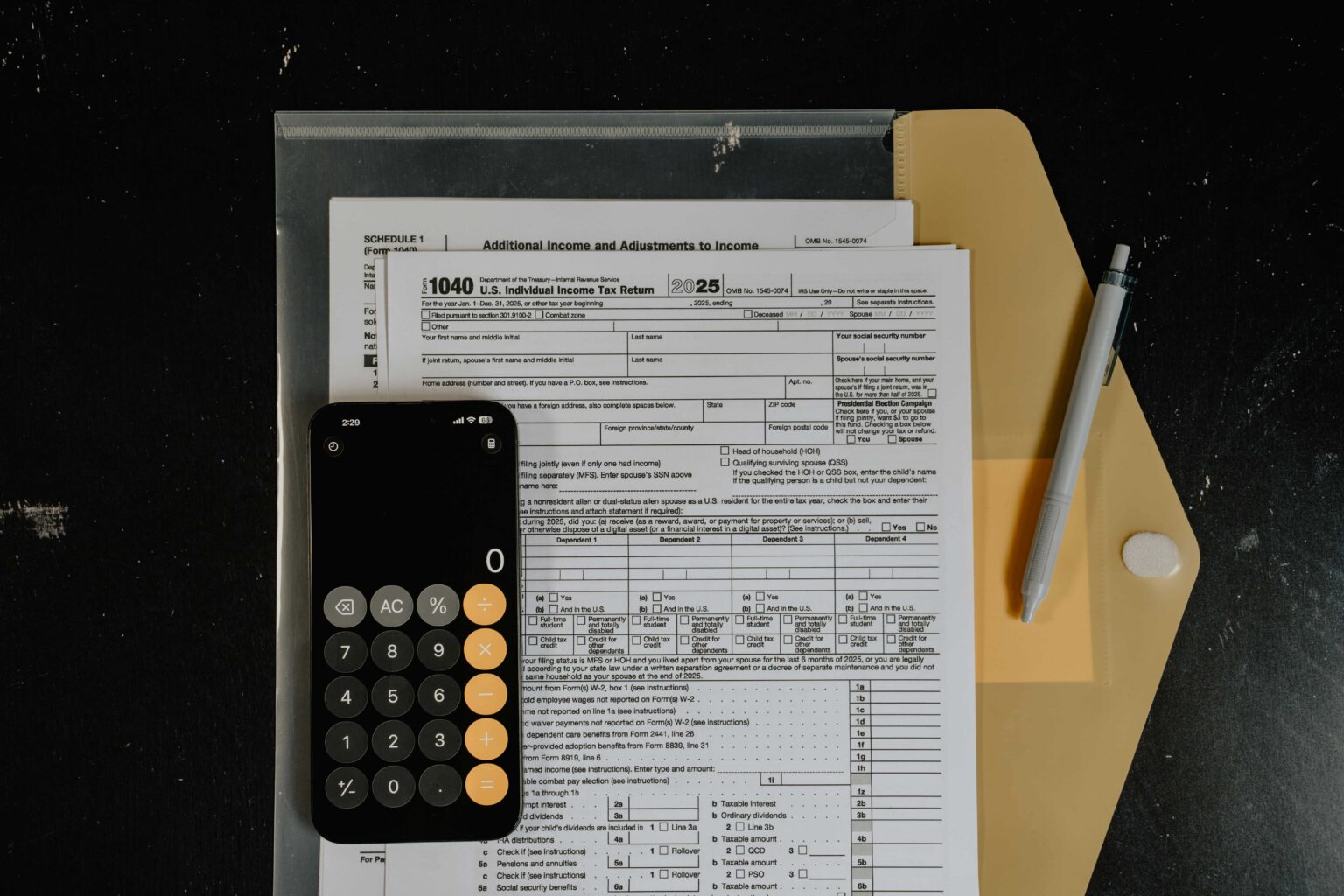
Every SME owner has heard some version of the pitch: AI will automate your accounting. What that actually means in practice is narrower — and more useful — than the hype suggests. After rolling out AI-assisted workflows across our own client base, here's where it genuinely moves the needle, and where it doesn't.
Where AI earns its keep
Data capture. Invoices, receipts and bank statements no longer need to be typed in by hand. Optical character recognition and machine learning models extract line items, match them to the right accounts, and flag anything that looks off — a duplicate invoice, an unusual vendor, a total that doesn't reconcile.
Reconciliation. Matching thousands of bank transactions to invoices used to eat a full week of a bookkeeper's month. AI models learn the patterns in your transaction history and auto-match the vast majority of entries, leaving a much shorter exception list for a human to review.
Anomaly detection. This is the quiet win. AI is good at noticing when a number falls outside its usual range — a supplier invoice that jumped 40% for no obvious reason, a duplicate payment, an expense category trending in a direction leadership hasn't seen before. Those flags become the starting point for a conversation with your accountant, not the end of one.
Where it doesn't replace judgment
AI cannot certify an audit, defend a tax position to a regulator, or decide how to structure a transaction to reflect its real economic substance. Those require professional judgment built on years of seeing how similar situations played out — the exact experience a 30-year practice accumulates and a model does not have on its own.
We've also learned that automation is only as good as the process around it. A tool that flags an anomaly is worthless if nobody with the right context reviews the flag within a reasonable time. That's why every automated workflow we run is paired with a named accountant responsible for the exceptions it surfaces.
What this means for a growing SME
The practical effect is that a lean finance function can now support a lot more transaction volume without proportionally more headcount. A business that used to need a full-time bookkeeper at 200 transactions a month can often handle 2,000 with the same team, freeing budget for the advisory work that actually changes outcomes — forecasting, tax planning, pricing decisions.
If you're evaluating how much of your own accounting could be automated without losing the judgment that keeps you compliant and audit-ready, that's exactly the conversation our team has with new clients every week.