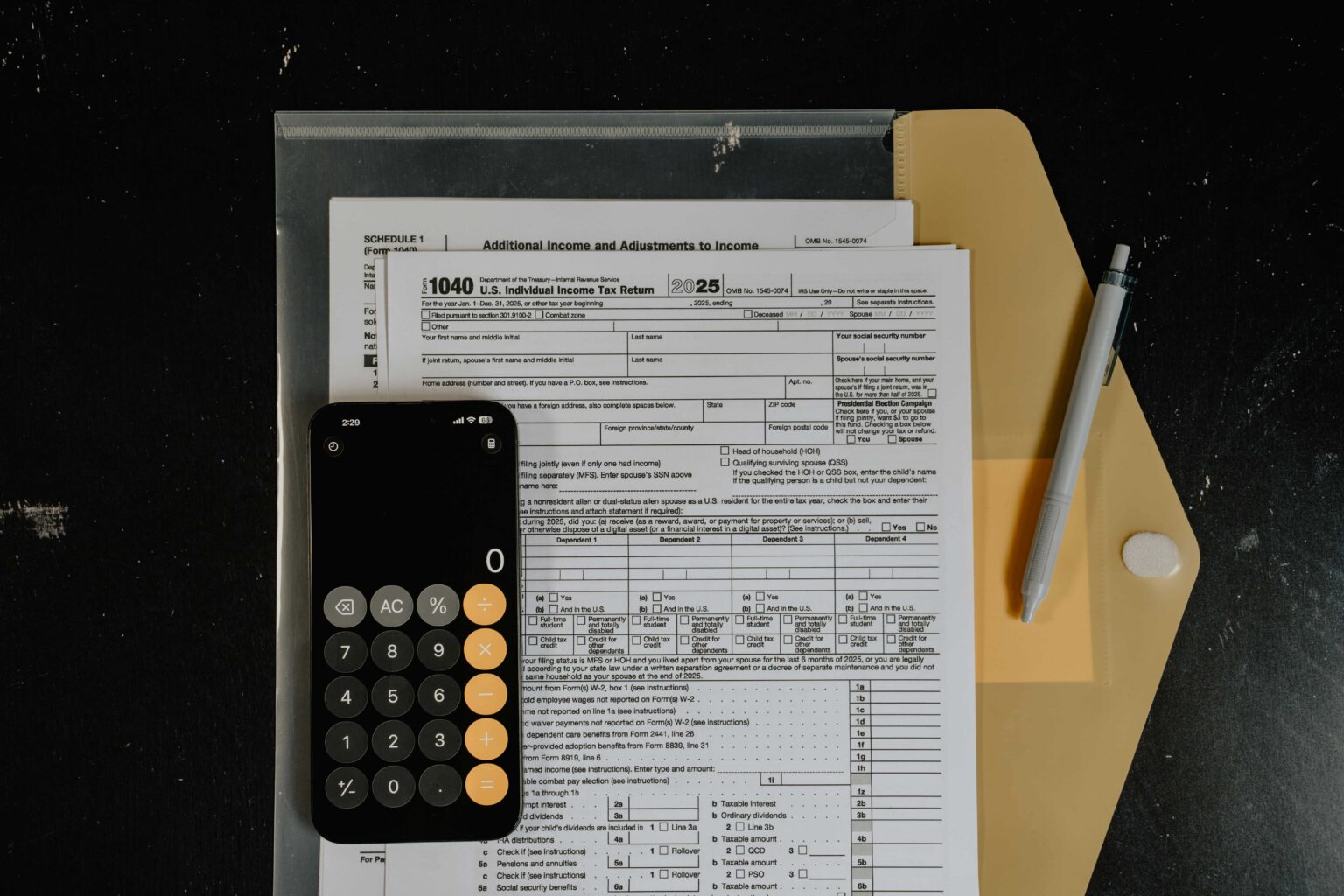
By the time most SMEs start thinking about tax, the year that mattered is already over. Filing accurately at deadline is table stakes; the real savings come from decisions made early in your financial year that a Form C filed seven months after year end simply can't undo.
What "reactive" tax filing actually costs you
When tax is treated as a once-a-year event, three things tend to happen: deductions get missed because the supporting expense wasn't tracked at the time, cash reserves aren't set aside so the bill becomes a cash flow shock, and structural decisions — how a purchase is financed, when income is recognised, how a bonus is timed — get made without any tax lens at all.
What year-round planning looks like in practice
Quarterly check-ins. A short review of year-to-date profit against your CP204 tax estimate, so you can revise it in time. If actual tax exceeds the estimate by more than 30%, LHDN imposes a penalty on the difference.
Timing decisions in advance. Major purchases, hiring, and revenue recognition often have more than one defensible timing — deciding with tax impact in mind, before the transaction happens, is where the actual savings live.
Tracking deductible expenses as they occur. Categorising correctly at the point of entry means nothing gets missed at filing time because a receipt was never logged.
Staying current on regulatory change. Between the annual Budget, SST revisions and the phased MyInvois e-Invoicing rollout, the rules shift every year, and a business that only engages with its accountant at filing time is always reacting a step behind.
The habit matters more than any single tactic
None of this requires exotic tax strategy — it requires treating your accountant as a year-round advisor rather than a once-a-year filer. That single change in cadence is responsible for more of the tax savings we deliver to clients than any individual technique, because it means decisions get made with the full picture in view, not reconstructed after the fact.